

From powerhouse to periphery: The collapse of heavy-industry hub in WB
The Asansol-Durgapur region faces deindustrialisation, job losses, and a gradual shift towards smaller industries, says report
image for illustrative purpose
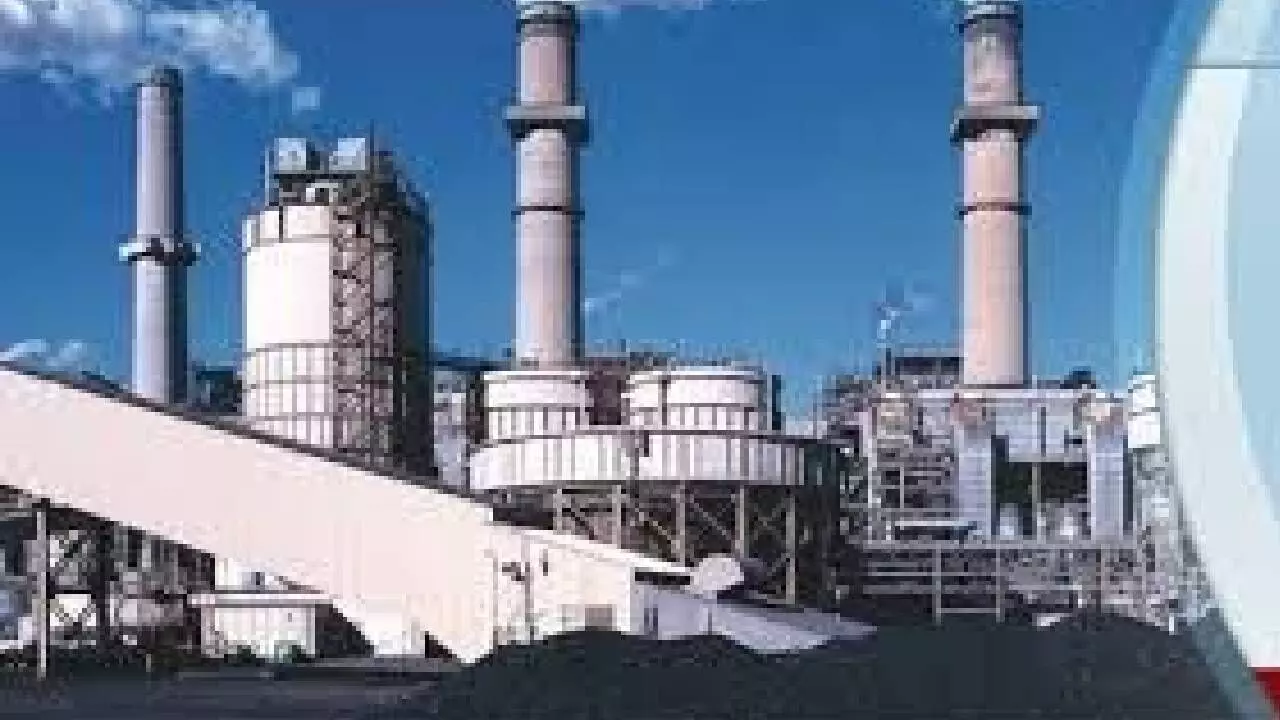
Asansol: Asansol-Durgapur, in West Bengal’s Paschim Bardhaman district, once one of eastern India’s most important heavy industrial belts with steel and engineering works and built on the Raniganj coalfield, has seen large scale industrial decline, mine closures, and restructuring since the late 20th century. Today, the region still hosts active coal and steel operations but faces deindustrialisation, job losses, and a gradual shift towards services and smaller industries
“MSMEs are coming to the region. But what we need is at least one large industry in the Paschim Bardhaman district, which includes both Durgapur and Asansol. As yet, however, we don’t see any scope for such investment,” lamented Sambhunath Jha, Secretary, Asansol Chamber of Commerce.
“Job is the primary reason that people prefer to leave the state for better options. The only way to stop this exodus and even contain regional violence is to industrialise and create jobs. Once there is scope for income, other things will cease,” he asserted.
Echoing his thoughts, a 27-year-old executive at one of the many hotels that dot Asansol’s streets, claimed that the closure of several industries in the region has led to a severe job crunch.
“Many of the educated youth prefer to move out of the district, even the state, in search of jobs,” he said, requesting anonymity.
“There was a time when people from neighbouring states used to flock here for both white- and blue-collar jobs. But now, it’s going the other way round,” he added.
The malady, according to Jha, is manifold. Sudden withdrawal of an industry incentive scheme by the state government has hurt the industry, he pointed out.
The scheme was introduced by the Left Front government to encourage industrial investments in West Bengal soon after Buddhadeb Bhattacharjee became the chief minister. However, in March last year, the scheme was withdrawn by the Mamata Banerjee-led Trinamool Congress government.
Leader of Opposition in the state Assembly, Suvendu Adhikari, had termed the passing of the Revocation of West Bengal Incentive Schemes and Obligations in the Nature of Grants and Incentives Bill, 2025, as an “unconstitutional” process that will be “disastrous” for the industry.
“While other state governments are inviting industries by offering subsidies, the state not only revoked the 2002-2002 scheme, but even rescinded all incentives offered previously and have been in place since 1993,” pointed out Jha. By revoking the incentive scheme, the state primarily wanted to redirect the resources towards social welfare programmes aimed at disadvantaged and marginalised communities, as reported then.
Additionally, the state has been historically ruled by a party politically opposed to the one at the Centre -- except for brief periods of support -- for close to half a century. This has created additional bumps, from investments to operations, added Jha.





